 Save
Save My niece burst through the door asking if we could bake something pink for her tea party, and I had about an hour to figure it out. I didn't have any boxed mix, just a hunch that buttermilk and a little vinegar could give me the tender crumb I needed. We mixed the batter in a flurry of giggles and gel coloring, and when those blush-toned domes emerged from the oven, her eyes went wide. That afternoon taught me that sometimes the best recipes are born from a time crunch and a child's specific vision.
I brought a batch to a friend's baby shower last spring, and they disappeared faster than anything else on the dessert table. One guest asked if I'd used a secret family recipe, and I had to laugh because I'd only perfected it a few weeks earlier. The compliments kept coming, not just about the flavor but about how light they felt after a heavy brunch. Watching people reach for seconds made me realize these cupcakes had earned a permanent spot in my rotation.
Ingredients
- Cake flour: This fine-textured flour creates an incredibly tender crumb, and if you don't have it, the cornstarch trick works beautifully to mimic that lightness.
- Baking powder and baking soda: The duo gives you both lift and a slight tang when paired with buttermilk, which is key to that airy texture.
- Unsalted butter: Room temperature is non-negotiable here, it creams properly with the sugar and creates those tiny air pockets that make the cupcakes so soft.
- Granulated sugar: Just enough sweetness to balance the tang without turning these into sugar bombs.
- Egg: One large egg binds everything together, and bringing it to room temp helps it blend smoothly into the batter.
- Buttermilk: The secret weapon for moisture and tenderness, and it reacts with the leavening agents to create that perfect rise.
- Pure vanilla extract: A teaspoon in both the cake and frosting ties the flavors together with a warm, familiar note.
- White vinegar: It sounds odd, but this tiny splash activates the baking soda and deepens the pink color beautifully.
- Pink gel food coloring: Gel gives you control over the shade without adding extra liquid, start with half a teaspoon and adjust to your preference.
- Powdered sugar: Sifting it prevents lumps in your buttercream and makes the frosting impossibly smooth.
- Heavy cream: A couple tablespoons loosens the frosting to pipeable perfection and adds a subtle richness.
Tired of Takeout? 🥡
Get 10 meals you can make faster than delivery arrives. Seriously.
One email. No spam. Unsubscribe anytime.
Instructions
- Prep Your Pan:
- Line your muffin tin with paper liners and preheat the oven to 350 degrees F so everything is ready when your batter is mixed. This step seems simple, but starting with a hot oven ensures even baking from the first cupcake to the last.
- Combine Dry Ingredients:
- Sift the cake flour, baking powder, baking soda, and salt into a medium bowl, then whisk gently to distribute everything evenly. Sifting aerates the flour and removes any sneaky lumps that could create dense spots in your cupcakes.
- Cream Butter and Sugar:
- Beat the room-temperature butter for about a minute until it looks smooth, then gradually add the sugar and keep beating for 2 to 3 minutes until the mixture turns pale and fluffy. This step traps air in the batter, which is essential for a light, tender crumb.
- Add Egg and Vanilla:
- Lightly beat the egg in a small bowl, then slowly pour it into the butter mixture on low speed, mixing until it disappears completely. Blend in the vanilla extract, scraping down the bowl to make sure nothing hides on the sides.
- Alternate Wet and Dry:
- With the mixer on low, add one-third of the dry ingredients, mix just until combined, then add half the buttermilk and repeat this pattern, finishing with the last third of the dry mix. Overmixing at this stage develops gluten and turns tender cupcakes into tough ones, so stop as soon as you see no more streaks of flour.
- Tint the Batter:
- Stir the vinegar and pink gel coloring together in a small cup, then pour it into the batter and mix on low until the color is evenly distributed. The vinegar helps the pink hue pop and react with the leavening, so don't skip this step.
- Fill the Liners:
- Divide the batter evenly among the 12 liners, filling each about two-thirds full, then tap the pan gently on the counter to release any trapped air bubbles. This tap trick prevents surprise craters on top of your baked cupcakes.
- Bake:
- Slide the pan into the oven and bake for 18 to 22 minutes, checking with a toothpick inserted into the center of a cupcake, it should come out clean or with just a few moist crumbs. Every oven runs a little differently, so start checking at 18 minutes to avoid overbaking.
- Cool Completely:
- Let the cupcakes rest in the pan for 5 minutes to set, then transfer them to a wire rack to cool completely before you frost. Frosting warm cupcakes will melt your buttercream into a puddle, and nobody wants that.
- Make the Buttercream:
- Beat the room-temperature butter in a clean bowl for about a minute until creamy, then gradually add 2 cups of sifted powdered sugar on low speed and increase to medium, beating until smooth. Add the vanilla, cream, and a pinch of salt, then beat on medium-high for 1 to 2 minutes until the frosting is light and fluffy, adjusting with more sugar or cream as needed for your desired consistency.
- Frost and Decorate:
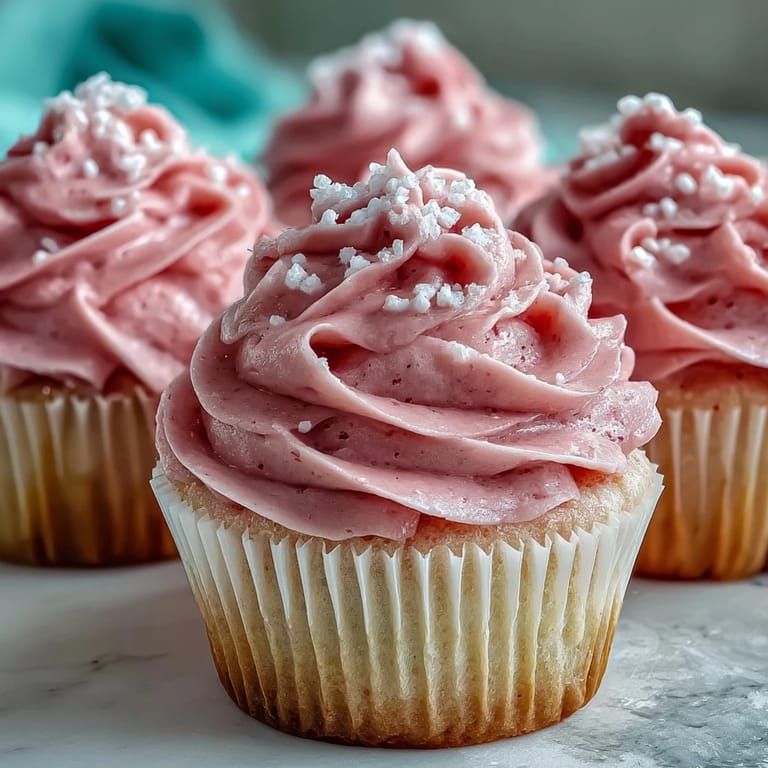
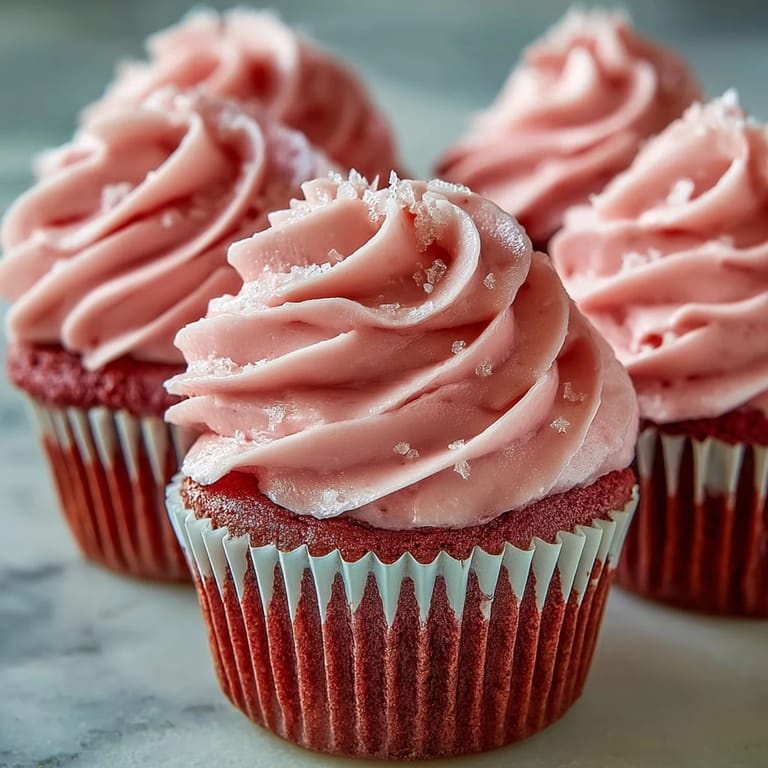
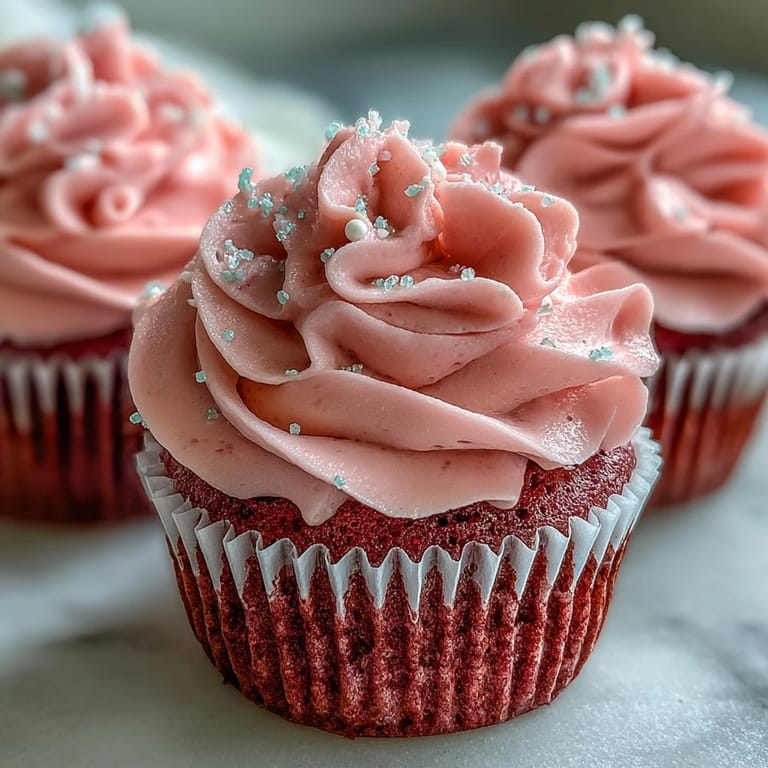
- Transfer the buttercream to a piping bag fitted with your favorite tip, or simply use a small offset spatula to spread it on each cooled cupcake. Finish with sprinkles, edible pearls, or pink sanding sugar if you want a little extra sparkle.
 Save
Save The first time I piped buttercream rosettes on these cupcakes, my hands were shaking because I was bringing them to a potluck with serious home bakers. One woman took a bite, closed her eyes, and said they reminded her of the bakery her grandmother used to take her to on Saturdays. That moment made all the practice swirls and late-night baking worth it, because food has this way of unlocking memories we didn't even know we were carrying.
Storing and Serving
These cupcakes stay tender and moist in an airtight container at cool room temperature for up to 2 days, though they rarely last that long in my house. If you need to make them ahead, you can bake the cupcakes a day early and store them unfrosted, then whip up the buttercream and decorate them a few hours before serving. I've also frozen unfrosted cupcakes for up to a month, wrapped individually in plastic wrap and tucked into a freezer bag, and they thaw beautifully on the counter in about an hour.
Customizing Your Cupcakes
Once you master the basic recipe, it's easy to play around with flavors and colors. I've swapped the vanilla extract for almond or even a hint of rosewater when I want something a little more sophisticated. For a natural pink shade, try beet powder instead of gel coloring, though the hue will be softer and more earthy. You can also tint the buttercream a shade darker than the cake for a beautiful ombre effect, or leave it pure white for a classic contrast.
Troubleshooting and Tips
If your cupcakes sink in the middle, you likely overmixed the batter or opened the oven door too early, both mistakes I made when I was learning. Dense, heavy cupcakes usually mean the butter wasn't at room temperature or you packed the flour instead of spooning and leveling it. Crumbly frosting happens when the butter is too cold or you didn't beat it long enough, so give it a full minute of whipping before you add the sugar.
- For mini cupcakes, fill the liners only halfway and bake for 10 to 12 minutes, checking early to avoid drying them out.
- If your buttercream is too stiff to pipe, add cream one teaspoon at a time until it loosens up.
- Always let cupcakes cool completely on a wire rack so air circulates underneath and prevents soggy bottoms.
 Save
Save There's something deeply satisfying about pulling a tray of perfectly domed cupcakes from the oven and knowing you made them from scratch. Whether you're celebrating a milestone or just treating yourself on a random Tuesday, these pink velvet cupcakes have a way of making any moment feel a little more special.
Recipe Questions & Answers
- → What makes pink velvet different from traditional red velvet?
Pink velvet cupcakes feature a lighter, more delicate hue while maintaining the same tender crumb and subtle tanginess. The flavor profile focuses on vanilla sweetness with buttermilk's gentle acidity, creating a softer taste experience than the cocoa-forward traditional version.
- → Can I use natural ingredients instead of gel food coloring?
Absolutely. Beet powder creates a beautiful natural pink tint without artificial colors. Start with one teaspoon and adjust until you achieve your desired shade. Keep in mind that natural coloring may produce a more muted, earthy pink tone compared to vibrant gel options.
- → How should I store frosted cupcakes to maintain freshness?
Keep finished cupcakes in an airtight container at cool room temperature for up to two days. Avoid refrigeration as it can dry out the crumb and make the buttercream firm. For longer storage, place unfrosted cupcakes in the freezer for up to three months and frost after thawing.
- → What's the secret to achieving the most tender texture?
Using room-temperature ingredients ensures proper emulsion, while avoiding overmixing prevents gluten development. The combination of cake flour (or sifted all-purpose flour with cornstarch) and buttermilk creates an exceptionally soft crumb. Substituting two tablespoons of buttermilk with sour cream adds even more richness.
- → Can I bake these as mini cupcakes for parties?
Certainly. Fill mini cupcake liners halfway with batter and reduce baking time to 10-12 minutes. This yields approximately 36-48 bite-sized treats perfect for dessert tables, wedding showers, or children's celebrations. Adjust frosting accordingly—mini versions need just a small swirl or dollop.
- → Why is white vinegar added to the batter?
The white vinegar serves two purposes: it activates the pink food coloring for a more vibrant hue, and it enhances the buttermilk's tangy notes. This acidity also tenderizes the gluten structure, contributing to the cupcake's signature soft and airy texture while balancing the buttercream's sweetness.