 Save
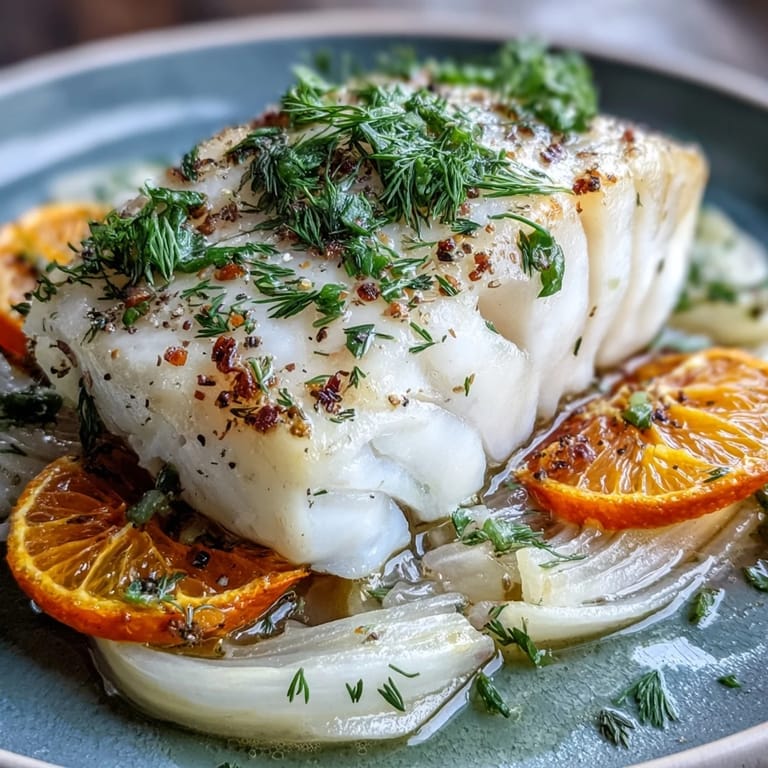
Save A friend once handed me a pristine cod fillet at the market and said, "Trust me, you'll want to poach this." I'd always been intimidated by cooking fish, convinced it would fall apart or taste fishy, but that single piece of advice changed everything. The magic happens in the gentle steam, the way fennel softens into sweet strands, and how a whisper of orange transforms something simple into something that tastes like you've been cooking Mediterranean food your whole life. This dish became my answer to "I want something elegant but I'm tired," and now it's the first thing I reach for when I need to impress without the stress.
I made this for my sister during a rainy afternoon, and she sat at the kitchen counter just watching the broth bubble gently, mesmerized by the orange slices floating like little rafts. There was something so comforting about the smell of citrus and fennel filling the room, and when she tasted it, she got quiet in that specific way that means the food is doing exactly what it's supposed to do. Since then, whenever she visits, this is what she asks for, and I've started making it without thinking because my hands remember every step.
Ingredients
- Fresh cod fillets: Look for fillets that are firm and slightly translucent, never dull or browning at the edges, because good fish makes all the difference here.
- Fennel bulb: The fronds are precious too, so don't throw them away; they become your garnish and add a delicate anise whisper at the end.
- Orange: Use a fresh one you'd actually want to eat, since the acidity brightens the whole dish and the zest becomes edible confetti.
- Shallot and garlic: They dissolve almost into the broth, adding depth without ever announcing themselves.
- Fish or vegetable stock: Low-sodium is essential because you're tasting every note here, and salt can overwhelm quickly.
- Dry white wine: A wine you'd drink matters more than its price; the cheaper stuff sometimes tastes bitter when simmered.
- Extra virgin olive oil: It's a base and a finish, so don't skimp on quality.
- Bay leaf, salt, pepper: These are the quiet anchors that keep everything tasting like itself.
Tired of Takeout? 🥡
Get 10 meals you can make faster than delivery arrives. Seriously.
One email. No spam. Unsubscribe anytime.
Instructions
- Warm your aromatics:
- Heat olive oil in a large skillet over medium heat and add the fennel, shallot, and garlic, stirring occasionally until they're just beginning to soften and smell sweet. This takes about three to four minutes, and you'll know it's right when the fennel starts to turn translucent at the edges.
- Build your liquid:
- Pour in the wine and stock, add orange slices and zest along with the bay leaf, and bring everything to a gentle simmer. The liquid should barely bubble, like it's breathing slowly rather than racing.
- Prepare the cod:
- Pat your cod fillets dry and season them lightly on both sides with salt and pepper, remembering that the poaching liquid will add its own savory notes. Gently nestle them into the liquid in a single layer, tucking them in like they're settling into a warm bath.
- Poach with patience:
- Lower the heat to low, cover the skillet, and let the fish cook undisturbed for eight to ten minutes. You'll know it's done when the flesh turns opaque and flakes easily with the gentlest fork test, and the aroma will tell you it's ready before you even look.
- Plate with care:
- Using a slotted spatula, lift each fillet and some of the braised fennel onto your plates, cradling them like they're delicate. Spoon some of the warm liquid and orange slices over the top, letting the broth pool around everything.
- Finish and serve:
- Scatter the reserved fennel fronds over the top, add a tiny pinch of extra orange zest, and crack fresh pepper over each plate. Serve immediately while the broth is still steaming.
 Save
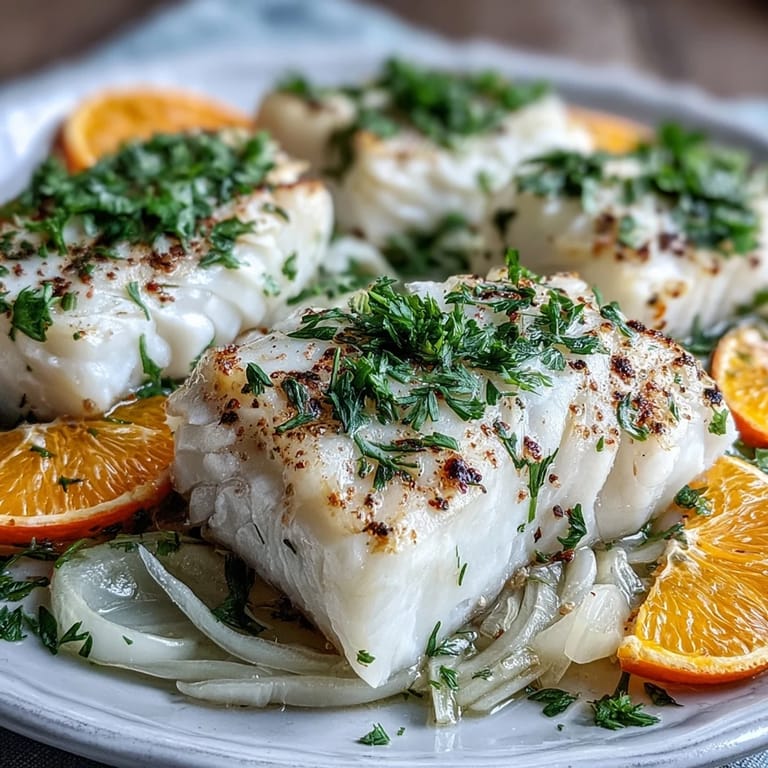
Save There was a moment when I served this to someone I was trying to impress, and instead of launching into compliments about the technique or ingredients, they just closed their eyes and took a slow breath. That's when I realized this dish isn't about being fancy or complicated; it's about creating a moment where the food makes you pause. Now whenever I cook it, I'm chasing that same quiet magic.
Why Poaching Works Best
Poaching is the gentlest way to cook delicate fish because the liquid temperature stays just below boiling, which means the proteins set slowly and evenly without drying out the surface. The fish essentially cooks in its own steam, absorbing all the flavors swirling around it while the fennel and aromatics soften into something almost creamy. I've tried baking cod, pan-searing it, and steaming it wrapped in foil, and nothing comes close to the tender, buttery texture you get from poaching.
The Secret of Orange and Fennel
Orange and fennel are old friends in Mediterranean kitchens, and once you understand why, you'll start seeing them together everywhere. The natural sweetness of fennel needs something bright and slightly sharp to balance it, and the orange's citrus acidity cuts through richness while its oils add an almost floral note. This pairing is what makes the dish feel summery even in the middle of winter, and it's subtle enough that your guests won't be able to name exactly what makes it taste so complete.
Serving and Pairing Ideas
This dish wants something to soak up the broth, so I always serve it with either crusty bread for tearing or steamed new potatoes that absorb the sauce like little sponges. A crisp white wine like Sauvignon Blanc or Vermentino echoes the flavors in the broth, and a simple green salad with a lemon dressing cuts through the richness beautifully.
- If you have time, drizzle a tiny bit of extra virgin olive oil over the finished plate for a glossy, restaurant-quality appearance.
- Leftovers are rare, but if you have any, shred the cold cod and toss it with the braised fennel, some pasta, and a squeeze of fresh lemon for an entirely different second meal.
- This recipe doubles easily if you're cooking for more people; just use a larger skillet and add a few extra minutes to the poaching time.
 Save
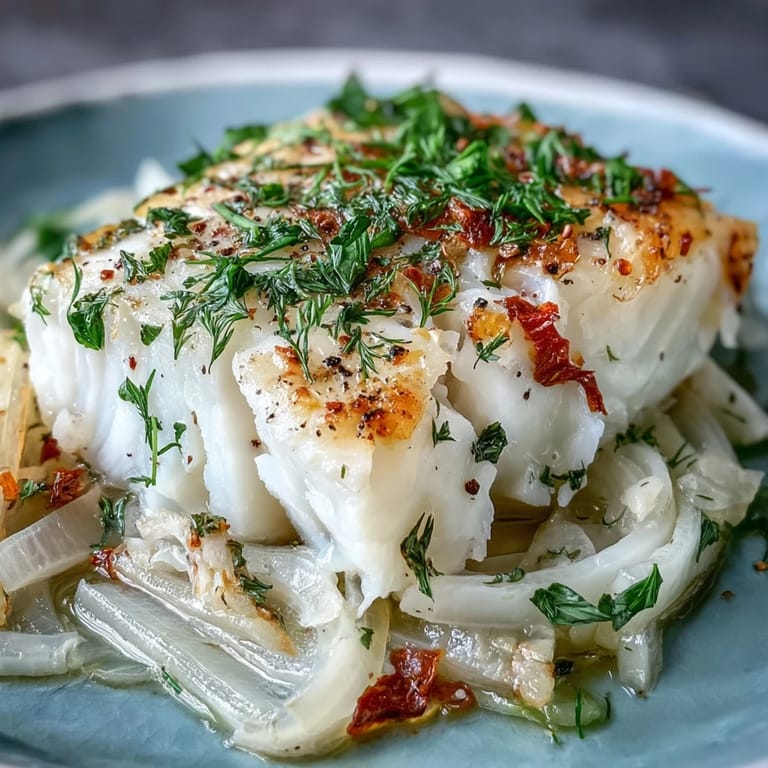
Save This is the kind of recipe that teaches you something every time you make it, whether it's trusting your senses over a timer or discovering that the simplest ingredients, cooked with intention, can feel like a small celebration. I hope it brings you that same quiet joy it's brought to my kitchen.
Recipe Questions & Answers
- → How do I know when the cod is fully cooked?
The cod is done when it becomes opaque throughout and flakes easily with a fork. This typically takes 8-10 minutes when poaching over low heat. Avoid overcooking, as the fish will become dry and less tender.
- → Can I use other types of fish?
Yes, halibut, haddock, or sea bass work beautifully as substitutes. Choose firm, white fish fillets of similar thickness for best results with cooking time.
- → What can I serve with poached cod?
Steamed potatoes, crusty bread, or rice pair wonderfully for soaking up the aromatic broth. A simple green salad with lemon vinaigrette complements the light flavors perfectly.
- → Can I make this dish ahead of time?
While best served immediately, you can prepare the poaching liquid and slice ingredients in advance. Cook the cod just before serving for the freshest taste and texture.
- → Is white wine necessary for the poaching liquid?
You can substitute additional fish or vegetable stock for the white wine if preferred. The wine adds subtle depth and acidity, but the dish remains delicious without it.
- → How should I store leftovers?
Store leftover cod and broth in an airtight container in the refrigerator for up to 2 days. Reheat gently in the poaching liquid over low heat to maintain moisture.