 Save
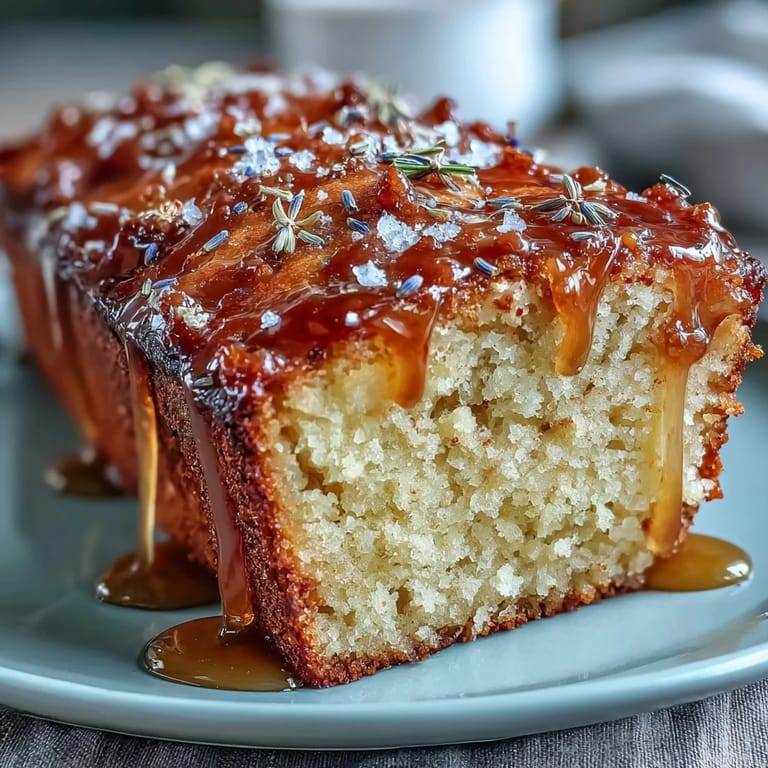
Save As I slid the loaf pan into the oven, the kitchen suddenly felt like a sunlit garden in spring—bursting with citrusy brightness and the gentle hum of lavender. Before the timer chimed, I could already sense the uplifting scent wafting through the hallway, mingling with the promise of a sweet treat. Lemon and lavender, I learned, have a knack for transforming the ordinary into something quietly special. The crackle of the glaze as it set brought a secret thrill—the kind you get when you know a cake is about to steal the show. Sometimes, it’s the simplest acts—zesting, whisking, drizzling—that brighten my whole day.
I remember whipping this up for a quiet afternoon with friends after a particularly rainy week. We gathered around mugs of Earl Grey, the cake’s golden crumb melting in our mouths as we argued playfully over who got the end piece with the most glaze. There was laughter and someone accidentally sprinkled dried lavender onto a sandwich instead of the cake, and that mishap just made us laugh even harder. Those moments made the flavors linger longer. To this day, that afternoon is tied to this loaf: light, unexpected, and full of good company.
Ingredients
- All-purpose flour: I’ve found sifting the flour yields a fluffier crumb, and it helps if your flour is fresh for the lightest cake.
- Baking powder and baking soda: Both give the rise needed for a soft, tall loaf; make sure they’re not expired for the best lift.
- Salt: Don’t skip the pinch—it balances the sweetness and amplifies the citrus and floral notes.
- Culinary dried lavender buds: Use only culinary-grade lavender; too much can overpower, so I crush them slightly with my fingers before adding for an even distribution.
- Zest of 2 lemons: The zest provides the pop of lemony brightness; zest directly over your bowl to catch the fragrant oils.
- Unsalted butter: Room temperature butter creams best and traps air for that signature lightness—don’t rush this step.
- Granulated sugar: Besides sweetness, the sugar helps create that crisp edge everyone loves.
- Large eggs: Let them warm up before using; cold eggs can make the batter curdle just a bit.
- Greek yogurt or sour cream: For a deliciously moist loaf, either will do—I use whichever is already in my fridge.
- Whole milk: Adds richness and keeps the crumb tender; milk infused with lavender gives an extra layer of flavor.
- Fresh lemon juice: Squeezing it right before mixing delivers the brightest zing—avoid bottled juice if you can.
- Pure vanilla extract: A small amount softens the floral elements and rounds out the lemon.
- Powdered sugar (for glaze): Sifting prevents lumps, making the final drizzle silky smooth.
- Honey: Pick a floral honey for depth; the glaze firms up just right as it cools.
Tired of Takeout? 🥡
Get 10 meals you can make faster than delivery arrives. Seriously.
One email. No spam. Unsubscribe anytime.
Instructions
- Prep Your Pan and Preheat:
- Line your loaf pan with parchment, letting it hang over the sides for an easy lift. Set your oven to 350°F and let the warmth start filling the kitchen.
- Mix Dry Ingredients:
- Whisk together your flour, baking powder, baking soda, salt, lavender buds, and lemon zest; the aroma always hits first and feels like sunshine in a bowl.
- Beat Butter and Sugar:
- Cream the butter and sugar until light and fluffy using an electric mixer. You’ll know it’s ready when it’s pale and seems to double in volume.
- Add the Eggs:
- Crack in each egg one at a time, blending well after each addition—don’t worry if the batter looks a little separated at first, it all comes together.
- Incorporate Wet Ingredients:
- Stir in yogurt, milk, lemon juice, and vanilla. The batter gets wonderfully silky at this stage.
- Combine Everything:
- Fold the dry mixture into the wet just until you see the last streak of flour disappear; gentle hands make for a tender cake.
- Bake the Loaf:
- Level out the batter in your pan and slide it onto the middle oven rack. Bake for 45–50 minutes, until a toothpick poked in the center comes out mostly clean.
- Cool It Down:
- Let it cool in the pan for about 10 minutes, then lift onto a rack—listening for that faint crack as it settles is quietly satisfying.
- Make and Drizzle the Glaze:
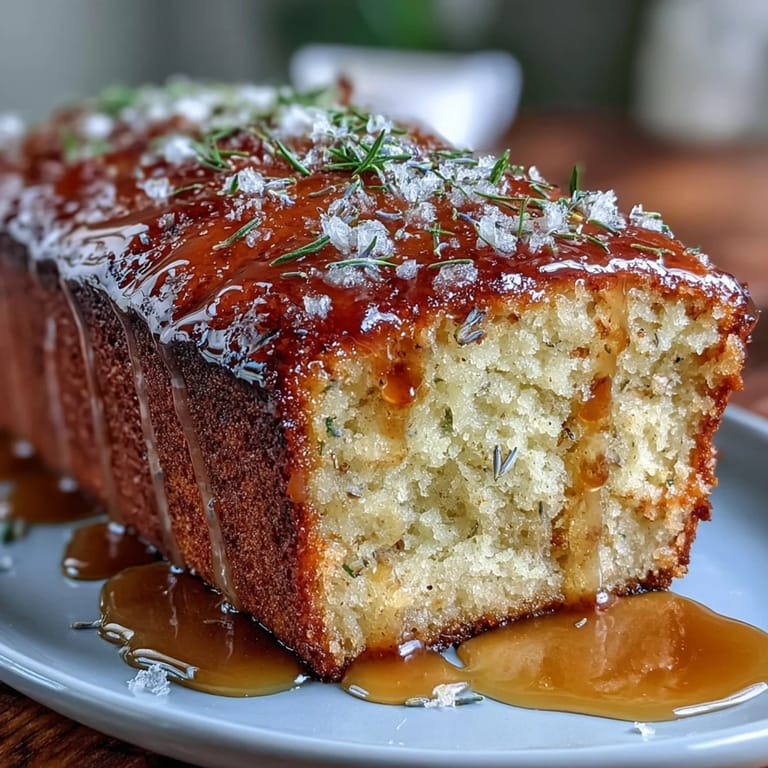
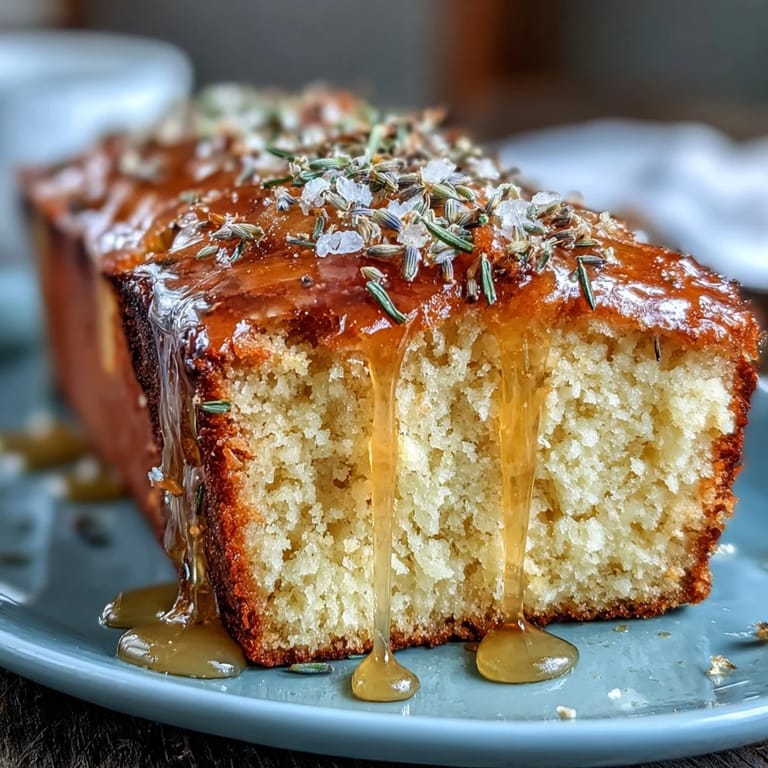
- In a small bowl, whisk powdered sugar, honey, and lemon juice until smooth. Drizzle over the cooled loaf, letting it drip down the sides just a bit.
 Save
Save  Save
Save The day I made this cake for a birthday brunch, I remember slicing it beside the laughter and clinking glasses. Nobody wanted the conversation to end, and every bite tasted like the perfect beginning to spring.
Getting That Tender, Moist Crumb
Mixing only until just combined is my biggest secret—overmixing leads to a dense cake. I scrape the bowl with a spatula, making sure the very bottom is pulled in, but I stop as soon as I can’t see more flour.
Choosing the Best Lavender
It took me a while to realize that not all lavender is made for eating. Always look for culinary-grade buds in small packages, as bulk lavender meant for crafts often tastes bitter and soapy in baked goods.
Customizing for the Occasion
This loaf wears toppings beautifully—sometimes I scatter extra lemon zest, sometimes a sprinkling of lavender or even a swirl of candied ginger if I’m feeling adventurous. No matter what, don’t overload the glaze or it’ll overpower the gentle cake underneath.
- If the glaze is too thick, add a drop of lemon juice.
- Wrap leftovers in parchment to keep them moist overnight.
- Wait at least 30 minutes for the glaze to set before slicing.
 Save
Save 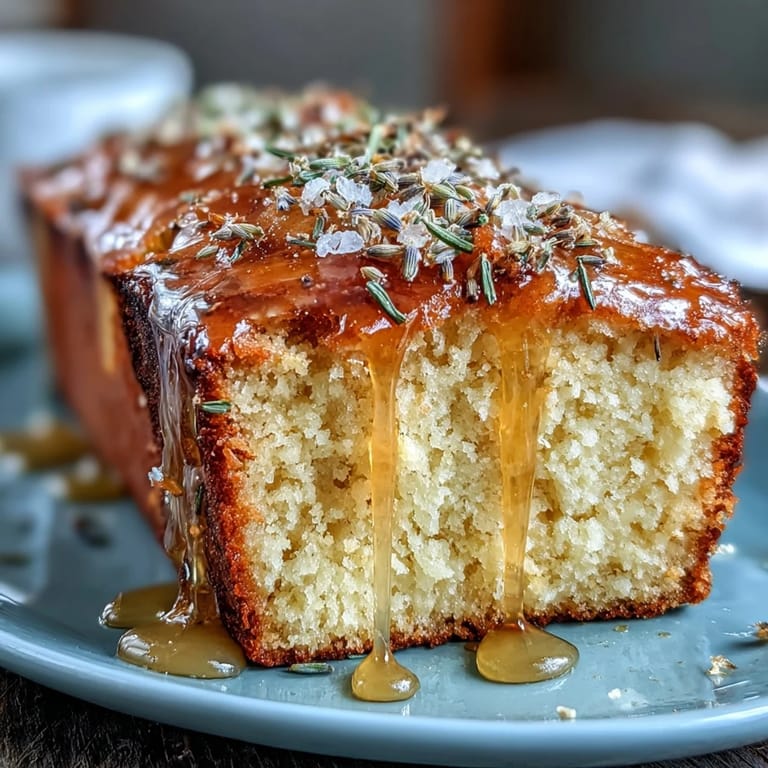 Save
Save When you slice into this loaf and the scent of lemon and honey swirls up, it’s impossible not to smile. May your teatimes always be as fragrant and sweet as this cake.
Recipe Questions & Answers
- → Can I use fresh lavender instead of dried?
Fresh lavender can be stronger and contains more moisture; if using fresh, use about half the amount, finely chopped, and consider a short infusion in warm milk then strain to control intensity.
- → How do I avoid a bitter lavender flavor?
Use culinary-grade lavender and moderate the amount. Infusing milk gently and straining out the buds reduces bitterness, and adding lemon zest balances the floral notes.
- → What's the best way to test for doneness?
Insert a toothpick into the center; it should come out clean or with a few moist crumbs. If wet batter clings, bake in 5–10 minute increments until done to avoid underbaking.
- → How should I store the loaf?
Wrap cooled loaf lightly in foil or plastic and keep at room temperature for 2 days, or refrigerate up to 5 days. Bring to room temperature before serving to restore texture.
- → Can I swap yogurt for another ingredient?
Yes—sour cream or buttermilk work well for moisture and tang. If using a thinner dairy, reduce milk slightly to maintain batter thickness.
- → How do I adjust the glaze consistency?
Add lemon juice a teaspoon at a time for a thinner glaze, or more powdered sugar to thicken. Warm the honey slightly before whisking for a smoother finish.