 Save
Save The first time I made this Rosé Velvet Cake, I was caught off guard by the gentle swirl of rosé that lingered in the air as I poured it into the batter—a subtle fizz, a faint tartness, and a color so blushing it practically shimmered. There was music drifting softly from the living room, and the anticipation of the gold drip was enough to keep me checking the mirror-like ganache every few minutes. That kitchen felt lighter, gleaming with sunlight and with a sense that something celebratory was on its way. Baking it wasn’t simply about the end result; it was about the rosy streaks on my whisk and gilded chocolate on my fingertips. I still grin thinking about how nervous I was to swirl on that first streak of gold: shaky, but determined to make it memorable.
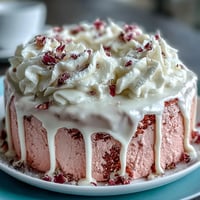
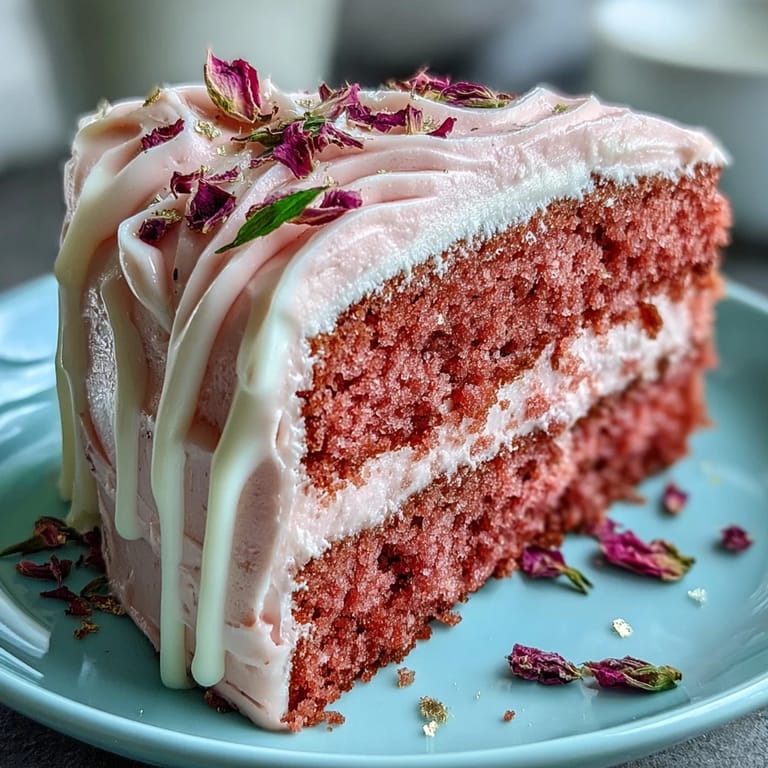
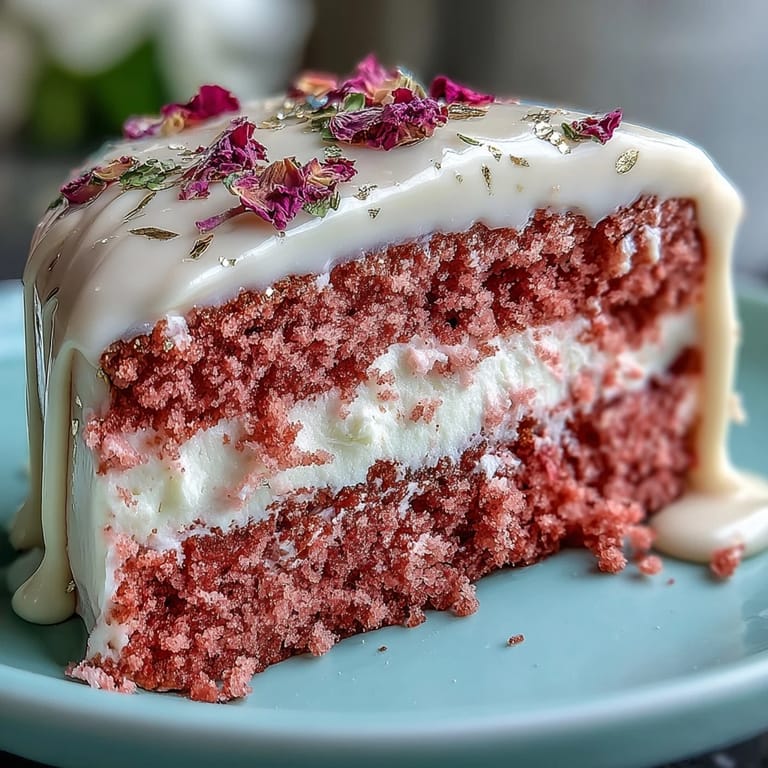
I made this for my friend’s springtime bridal shower, and the whole room lit up when I set the cake down—someone even whispered that it looked like it belonged in a magazine. As we sliced through the pastel layers, guests leaned in to see the blush crumb and couldn’t resist snapping photos before anyone dared the first bite. By the time the last plate had only a smudge of gold and crumb left, I’d gotten at least three requests for the recipe. I still remember the burst of laughter when I admitted it was my first attempt at edible gold paint. That day, the cake truly felt like a centerpiece—both beautiful and joyfully devoured.
Ingredients
- All-purpose flour: Gives the cake a sturdy but tender structure; I use the spoon-and-level method to avoid a dense crumb.
- Granulated sugar: Adds necessary sweetness and makes the cake moist; cream it thoroughly with butter for a fluffy texture.
- Baking soda & baking powder: These leaveners ensure your layers are tall and soft; always check that they're fresh.
- Salt: Balances and brightens the flavors—don't skip it!
- Unsweetened cocoa powder: Gives a gentle chocolate hint; sift it well to prevent lumps in the batter.
- Unsalted butter: Brings rich flavor and moist crumb; make sure it's truly softened for smooth mixing.
- Buttermilk: Provides subtle tang and keeps the crumb ultra-tender; room temperature works best for even mixing.
- Rosé wine: The star ingredient—adds blush color and an unmistakable floral note; let it air if it's too fizzy.
- Eggs: Essential for binding and richness; let them warm to room temp for minimal curdling.
- Vanilla extract: Rounds out all the subtle flavors; I always pick a high-quality extract for noticeable depth.
- White vinegar: Interacts with baking soda for extra rise and velvet crumb; you won't taste it, promise.
- Pink food coloring gel: A small amount at a time gives perfect blush; water-based colors may fade in baking.
- Cream cheese: Key for the tangy, creamy frosting; soften well for silkiness.
- Powdered sugar: Sift it for lump-free frosting that spreads like a dream.
- White chocolate chips: Melt smoothly for the gold drip; microwaving in short bursts prevents burning.
- Heavy cream: Ensures the drip is luscious and glossy; adjust quantity for the perfect drip thickness.
- Edible gold luster dust: Turns the cake from pretty to jaw-dropping; always use a food-grade product.
- Vodka or clear extract: Mixes with gold dust to create a shiny paint that dries quickly without smudging.
Tired of Takeout? 🥡
Get 10 meals you can make faster than delivery arrives. Seriously.
One email. No spam. Unsubscribe anytime.
Instructions
- Prep your pans and oven:
- Start by preheating to 350°F then line and grease your pans—the little crinkle of parchment guarantees easy release later.
- Mix dry ingredients:
- Sift flour, cocoa, baking soda, baking powder, and salt into a bowl; you'll see a cloud of chocolatey powder that signals something good is starting.
- Cream butter and sugar:
- Beat them together until nearly white and airy—the second you dip in a spatula, it should leave a clean mark.
- Add eggs and vanilla:
- Crack in the eggs one at a time, mixing until glossy after each, and add a generous splash of vanilla for aroma.
- Combine wet ingredients:
- Stir buttermilk, rosé, and vinegar in a jug; pouring it in feels like alchemy as the batter changes color and scent.
- Blend and tint the batter:
- Mix in the dry and wet ingredients gradually, then slowly add pink gel until you reach that perfect rose hue—use a gentle hand, as the color deepens when baked.
- Bake the cakes:
- Evenly divide the batter between pans and bake till a toothpick comes out with just a crumb or two and the kitchen smells warm and sweet.
- Cool completely:
- Let the cakes sit in their pans for 10 minutes; turn them onto racks where the steam will rise and the edges tighten lightly.
- Make the frosting:
- Beat softened butter and cream cheese until creamy, then sift in powdered sugar and beat in rosé, vanilla, and salt—watch for it to fluff up and hold its shape.
- Assemble with love:
- Level the cake layers as needed; stack with frosting between each, cover the cake with a crumb coat, chill, then finish with a swirled, dreamy outer layer.
- Prepare the gold drip:
- Gently microwave white chocolate and cream together, stir until silky, cool a bit, then let it drip off the spoon down the chilled cake’s edges.
- Paint the gold:
- Mix luster dust with vodka or extract, then with a food brush, gently sweep gold onto each drip until it glints—take your time, there’s magic in it.
- Chill and present:
- Pop the finished cake in the fridge for at least 30 minutes; when you bring it out, all your effort will gleam in the light, ready to slice.
 Save
Save 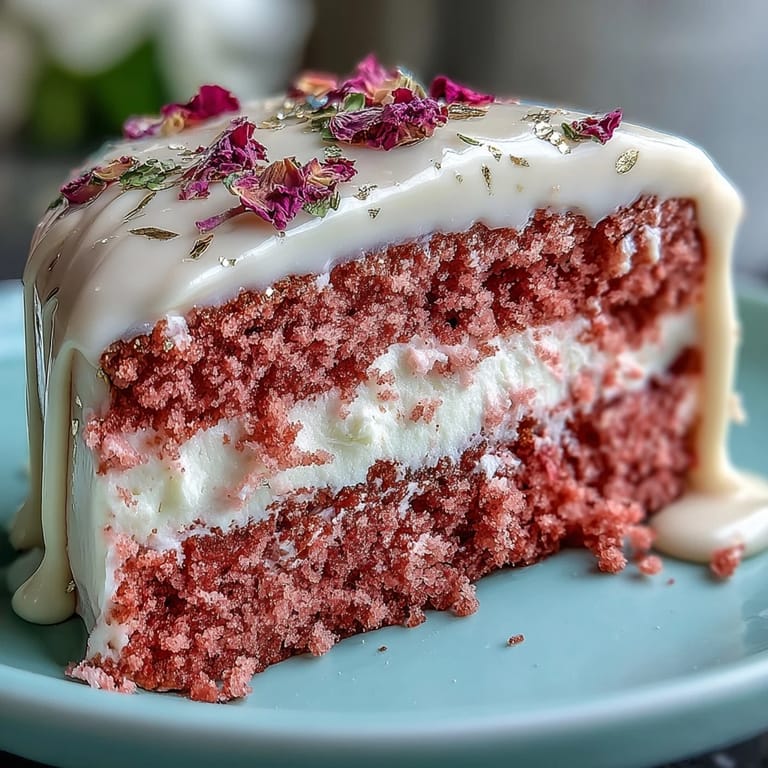 Save
Save There was a fleeting moment—mid-decorating, spatula in hand—when a chorus of ooohs rang out from across the kitchen, and even my always-practical sister paused to admire the shimmer of the gold drip. Sharing slices around the table became less about serving dessert and more about celebrating together. For those few minutes, the kitchen was filled with delighted chatter, camera flashes, and the satisfying hush that comes from a truly good cake.
Making the Most of Rosé in Baking
Pouring the rosé into the batter raised a few eyebrows the first time, but it only takes one bite to understand why it’s worth it. The wine lends a gentle floral lift to the cake—refreshing but never overpowering. If you taste once before baking, the aroma should be present but subtle, almost feather-light. Over the years, I’ve noticed that letting the wine breathe a few minutes before adding it softens any sharpness, so the final cake is nicely balanced.
Getting That Blush-Perfect Color
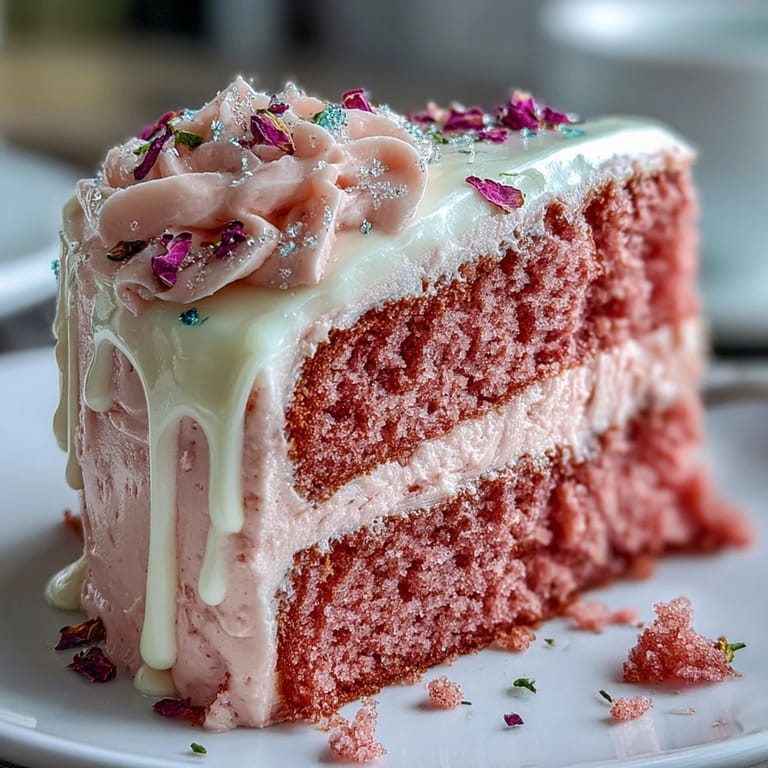
Finding the ideal shade of pink means starting slow: I usually dip just the tip of a toothpick into the gel coloring and swirl it through before adding more. Over-tinting can make the cake look artificial—instead, aim for a soft pastel that echoes the rosé itself. Every oven and batter is a bit different, so check the color just before it goes in. More than once, I’ve been surprised at how much brighter cakes look once baked, so trust a lighter hand at first.
Decorating Like a Pro (Even if You're Not)
Gold drip might look intimidating, but with a little practice—and maybe a deep breath or two—it turns out dazzling every time. Holding your spoon just at the edge and letting the warm chocolate gently ooze down gives you control over each streak, and when the moment comes to add that glint of edible gold, you’ll feel like an artist.
- If you’re short on time, even a rustic swipe of frosting looks beautiful under the gold.
- Keep the cake chilled; colder cake means cleaner drips and brushstrokes.
- If you want extra flair, finish with a scattering of edible flowers or fresh berries just before serving.
 Save
Save  Save
Save Here’s hoping your bridal shower (or any celebration) shines just a bit brighter with this cake at the center. After all, a shimmering slice of pink velvet is always reason enough for a toast.
Recipe Questions & Answers
- → How can I boost the rosé flavor without making the batter too wet?
Brush the cooled layers lightly with reserved rosé wine or a rosé syrup just before assembling. Add the liquid sparingly and use a pastry brush to control absorption so the crumb stays tender without becoming soggy.
- → What's a good non-alcoholic substitute for rosé?
Use sparkling white grape juice or a concentrated grape reduction in equal measure. Both add the fruity note without alcohol; reduce slightly if using a syrup to avoid over-moistening the layers.
- → How do I achieve a consistent blush-pink crumb?
Use gel food coloring a little at a time and fold gently into the batter for even distribution. Gel gives stronger color with less liquid; stop when you reach a soft blush to keep the velvet appearance.
- → How do I get a smooth, shiny gold drip?
Heat white chocolate and cream until smooth, cool to just-warm, then apply a small test drip. Once set, mix edible gold luster dust with a little vodka or clear extract and paint the cooled chocolate drip for a reflective finish. Work in thin layers for the best shine.
- → How can I prevent the cream cheese frosting from becoming runny?
Start with fully softened but not warm butter and cream cheese, beat until smooth, then add sifted powdered sugar gradually. Chill the crumb-coated cake before final frosting to keep the assembled layers stable and the finish tidy.
- → What is the best way to store and serve the cake?
Refrigerate the cake in an airtight container for up to 3 days. Remove from the fridge 30–45 minutes before serving to let the frosting soften and the flavors come forward; garnish just before serving for the freshest presentation.