 Save
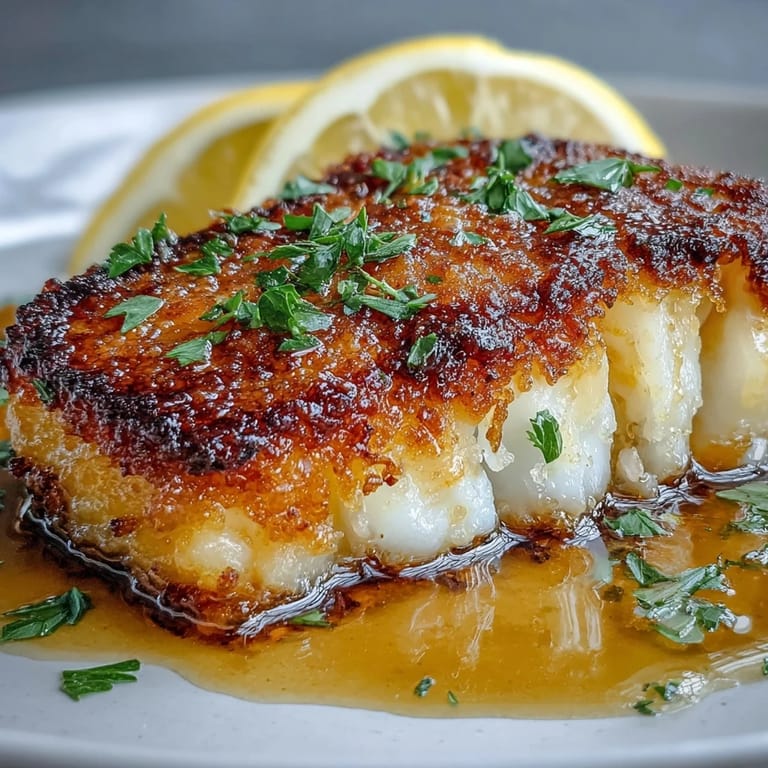
Save My grandmother had a way of making dinner feel like an event without fussing about it, and Flounder Meunière was her secret weapon. One Tuesday evening, she stood at her stove for barely fifteen minutes while my cousins argued over dessert in the living room, and somehow emerged with four perfect golden fillets swimming in the most intoxicating browned butter I'd ever tasted. That night, I realized French cooking wasn't about complexity—it was about respecting the ingredient and knowing exactly when to stop.
I made this for someone I was trying to impress years ago, and I burned the butter on my first attempt because I got distracted watching it change color. The second batch turned golden and nutty instead of bitter, and that difference taught me more about attention in cooking than any lesson ever could. When I brought those plates to the table, the nervousness melted away—the fish was perfect, and that's what mattered.
Ingredients
- Flounder fillets (4 pieces, about 150 g each): Look for thin, delicate fillets that cook quickly and stay tender; ask your fishmonger to remove the skin so you can focus on cooking rather than fussing with technique.
- Kosher salt and freshly ground black pepper: These simple seasonings let the fish speak for itself, so don't skip the fresh grinding—pre-ground pepper tastes dusty by comparison.
- All-purpose flour (1/2 cup): This creates a whisper-thin golden crust that protects the delicate flesh; use just enough to coat, then shake off what doesn't stick.
- Unsalted butter (7 tablespoons total): Butter is the soul of this dish, so choose a good one and watch it transform from pale to golden to nutty brown—that's where the magic lives.
- Olive oil (2 tablespoons): This prevents the butter from burning while you cook the fish, keeping your pan temperature steady.
- Fresh lemon juice (from 1 lemon): The acidity cuts through richness and brings everything into focus; fresh juice makes an enormous difference here.
- Fresh flat-leaf parsley (2 tablespoons, chopped): This adds brightness at the last moment, so chop it just before serving to keep it alive and green.
- Lemon wedges for serving: These let everyone adjust the brightness to their taste, which is the polite French way of doing things.
Tired of Takeout? 🥡
Get 10 meals you can make faster than delivery arrives. Seriously.
One email. No spam. Unsubscribe anytime.
Instructions
- Prepare your fish with care:
- Pat the flounder fillets completely dry with paper towels—any moisture will cause them to steam rather than sear, and you want that golden crust. Season both sides generously with salt and pepper, letting the seasoning sink in for a moment.
- Coat lightly and shake:
- Pour flour onto a shallow plate and dredge each fillet quickly, turning to coat both sides. Shake off the excess flour with a gentle motion; you want a thin veil, not a thick blanket.
- Heat your pan to the sweet spot:
- Add butter and olive oil to a large nonstick skillet and heat over medium-high until the butter foams and just begins to smell toasty. This is your signal that the pan is ready, not too hot and not too cool.
- Cook the fish with confidence:
- Lay the fillets in the pan gently and listen for the sizzle—you should hear it but not aggressively. Cook for 2 to 3 minutes without moving them, then flip carefully with a spatula and cook the other side until the flesh is opaque and just cooked through. Transfer to a warm platter and resist the urge to check if it's done; trust the time and the sound.
- Build the browned butter sauce:
- Wipe out the skillet quickly and add the remaining 4 tablespoons of butter over medium heat. Watch it melt and foam, then turn golden as the milk solids toast—this takes about 2 to 3 minutes and smells incredible. Stop just before it turns brown and nutty, not burnt and dark.
- Finish with bright acidity:
- Remove the pan from heat immediately and stir in the lemon juice and fresh parsley. The sauce will bubble gently and smell bright and alive. Spoon it over the fish right away while it's still warm and glossy.
- Serve without delay:
- Bring everything to the table at once with lemon wedges on the side, so people can adjust the brightness and tartness to their liking.
 Save
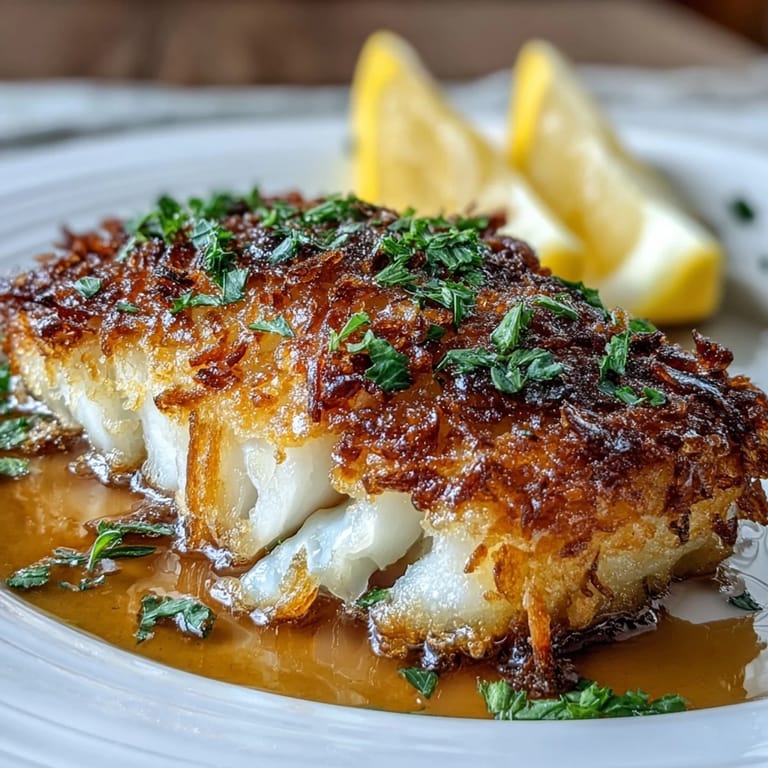
Save My cousin brought her partner to dinner one evening, and she served this dish with steamed green beans and new potatoes. I watched him taste it and the way his face softened, like he'd just been handed something precious and familiar all at once. That's when I understood that simple, perfect cooking is a language everyone speaks.
Choosing Your Flounder
Not all white fish are created equal, and flounder has a delicate sweetness that makes it worth seeking out. Your fishmonger can tell you if the flounder is fresh that day or suggest Dover sole or tilapia as alternatives that respond the same way to cooking. The thinner the fillet, the faster it cooks and the more tender it stays, so ask for fillets that are roughly the same thickness so they cook evenly.
Building Flavor Without Complication
This dish proves that you don't need cream sauces or complicated reductions to create something elegant. The browned butter contains all the richness and nutty complexity you could want, and the lemon cuts through it with such grace that every bite feels balanced. Some nights I add a splash of white wine before the butter browns, letting it reduce to a concentrated sweetness that deepens everything—but the classic version needs nothing more.
Timing and Temperature
The entire dish takes twenty minutes from shopping to table, which makes it perfect for weeknights when you want something special but not stressful. Everything happens in sequence without overlap, so you can set your phone timer and breathe instead of juggling pans. The key is having all your ingredients prepped before you heat the pan—flounder waits for no one, and improvising while the fish cooks leads to rushed decisions and missed opportunities.
- Prepare your fish, flour, and sauce ingredients before you turn on the heat so you can focus entirely on cooking.
- Keep a warm platter in the oven at low temperature so the first fillets don't cool down before service.
- Taste the browned butter sauce before pouring it over the fish—adjust the lemon if it needs brightness, or add more parsley if it needs freshness.
 Save
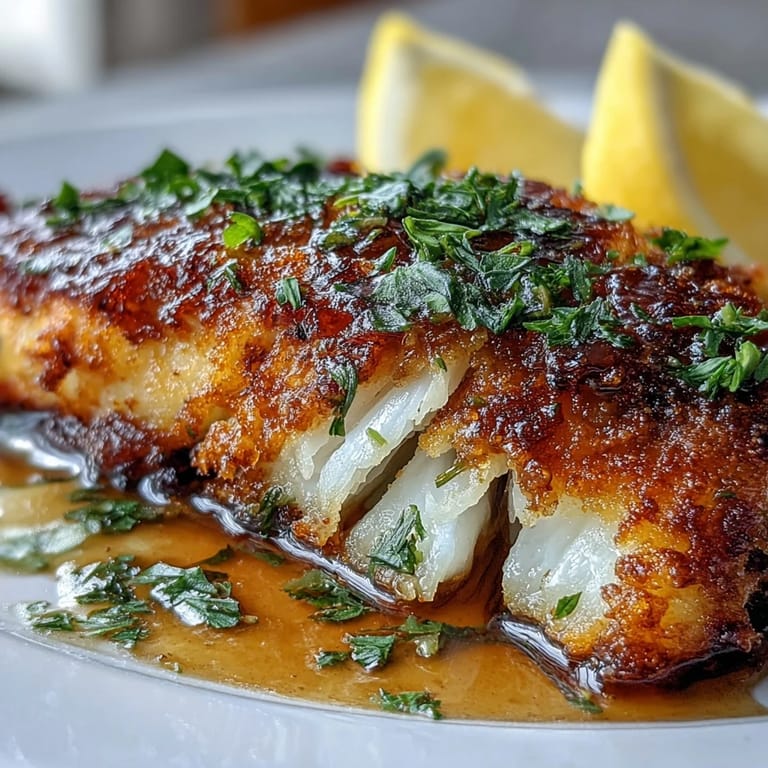
Save There's something about cooking flounder that reminds me to slow down and pay attention. This dish rewards your presence in the kitchen, and in return, it delivers something beautiful in less time than you'd think possible.
Recipe Questions & Answers
- → What does meunière mean?
Meunière is French for 'miller's wife,' referring to the traditional cooking method of dredging fish in flour before pan-frying it in butter.
- → Can I use other fish?
Absolutely. Dover sole, tilapia, or any delicate white fillet works beautifully with this preparation.
- → How do I know when the butter is browned?
The butter will foam, then turn golden brown with a nutty aroma. Watch carefully—it can go from browned to burned quickly.
- → Is this gluten-free adaptable?
Yes. Simply substitute rice flour or a gluten-free flour blend for the all-purpose flour when dredging.
- → What should I serve with it?
Steamed green beans, roasted potatoes, or a simple green salad complement the rich butter sauce beautifully.