 Save
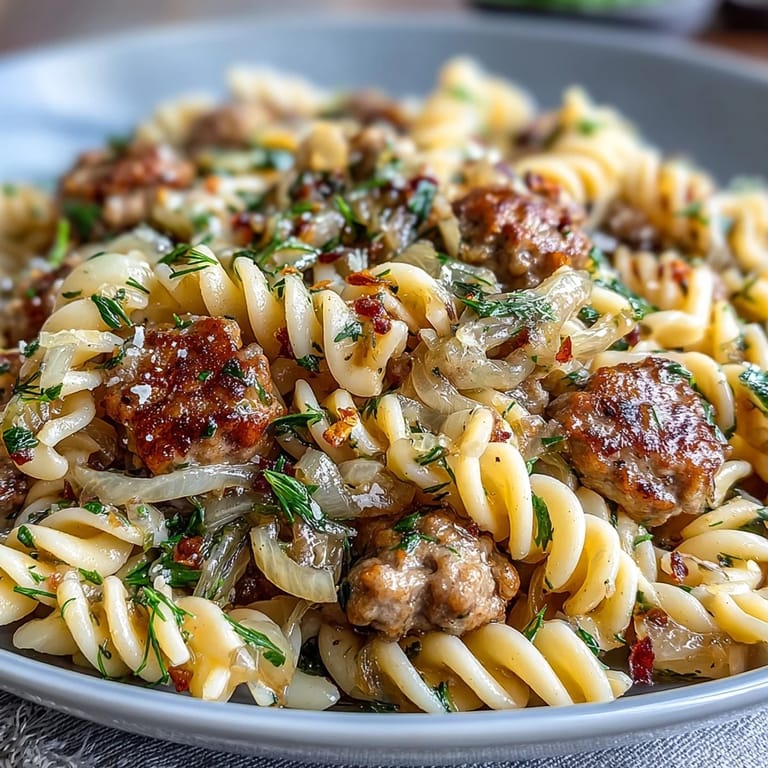
Save There's something about standing at the stove on a gray afternoon, watching fennel soften into something almost sweet, that shifts the whole mood of a winter day. I discovered this pasta quite by accident—I had a bulb of fennel taking up prime real estate in my crisper drawer and a package of sausage that needed rescuing. Twenty minutes later, the kitchen smelled like a cozy Italian trattoria, and I realized I'd found my new go-to dinner when the weather turns cold and inspiration runs thin. The beauty of this dish is its simplicity: you're not wrestling with complicated techniques, just letting a handful of ingredients reveal what they're meant to be together.
Last winter, I made this for my neighbor who'd just moved in, and she ate it straight from the skillet while leaning against my counter, asking questions about the fennel between bites. By the end of the bowl, she was already planning to make it for her own family. That's when I knew this wasn't just a weeknight dinner—it was the kind of dish that quietly wins people over.
Ingredients
- Short pasta (penne, rigatoni, or fusilli): 350 g (12 oz) Choose a shape that holds sauce in its curves; I've learned that thinner pasta can get lost in the aromatics, while sturdy tubes cradle every bit of sausage and fennel.
- Italian sausage: 250 g (9 oz), casings removed, sweet or spicy to your preference, or plant-based sausage for vegetarian versions. This is what gives the dish its backbone—don't skip it unless you're intentionally going meat-free.
- Fennel bulb: 1 large one, trimmed and thinly sliced. Slice it crosswise so the layers separate naturally; this is where patience pays off because thin pieces cook evenly and sweeten rather than turn bitter.
- Onion: 1 small one, thinly sliced. Use white or yellow; they soften into almost nothing and build the foundation of flavor.
- Garlic: 2 cloves, minced. Fresh is non-negotiable here—jarred garlic will taste tinny once cooked.
- Olive oil: 2 tbsp, good quality since it's doing the heavy lifting of flavor. I use a fruity one, never the super-premium stuff that costs more than my rent.
- Dry white wine: 60 ml (1/4 cup), optional but genuinely transforms the dish by adding brightness and depth. Pinot Grigio or Sauvignon Blanc work beautifully.
- Crushed red pepper flakes: 1/2 tsp, optional. This is your heat insurance—add it if you like the slightest prickle on your tongue, or leave it out if you're cooking for people who shy away from spice.
- Parmesan cheese: 30 g (1/4 cup) grated, plus more for serving. Pre-grated works, but freshly grated melts into the sauce better and tastes less like wood shavings.
- Fennel fronds or fresh parsley: Chopped, for garnish. The green bits aren't just decoration—they bring a fresh, herbal snap that makes the whole bowl taste alive.
- Salt and freshly ground black pepper: To taste. Don't skip seasoning each layer; this is where most home cooks stumble.
Tired of Takeout? 🥡
Get 10 meals you can make faster than delivery arrives. Seriously.
One email. No spam. Unsubscribe anytime.
Instructions
- Get the water boiling and pasta going:
- Fill a large pot with salted water—it should taste like the sea—and bring it to a rolling boil. This is the only way your pasta will absorb flavor as it cooks. Add pasta and stir occasionally so nothing sticks, cooking until it's just past firm but still has a slight resistance when you bite it, usually a minute or two before the package suggests.
- Brown the sausage while aromatics wait:
- Heat 1 tbsp olive oil in a large skillet over medium heat and crumble in the sausage, breaking it apart with a spoon as it cooks. Let it sit for a minute without stirring so the meat develops little brown bits—this is where the savory magic lives. Cook for about 4 to 5 minutes total until no pink remains, then set it aside on a clean plate.
- Coax sweetness from fennel and onion:
- Add the remaining olive oil to the same skillet and add your sliced fennel and onion with just a small pinch of salt. Let them cook slowly over medium heat for 4 to 5 minutes, stirring every minute or so, until they soften and the edges begin to turn golden. This is not a race—the slower they soften, the sweeter they become.
- Add garlic and awaken the pan:
- Once the fennel is tender, add your minced garlic and cook for just 1 minute, stirring constantly, until it becomes fragrant and stops being raw. Your kitchen will smell incredible at this moment, and that's how you know you're doing it right.
- Deglaze with wine if you're using it:
- Pour in the white wine if you have it, scraping the bottom of the pan with your wooden spoon to lift all those caramelized, tasty bits. Let it bubble and reduce for about 1 to 2 minutes until most of the liquid has evaporated and the alcohol cooks off, leaving just the flavor behind.
- Bring everything together:
- Return the sausage to the skillet, sprinkle in the red pepper flakes if you want heat, and give it all a good stir. Add your drained pasta along with about 120 ml (1/2 cup) of that reserved pasta water—this starchy liquid is the secret to a silky, cohesive sauce.
- Finish with cheese and seasoning:
- Toss everything together gently for a minute so the pasta picks up all the flavors, then stir in the grated Parmesan. Taste it now and adjust salt and pepper—this is your moment to make it sing exactly the way you want it to.
- Serve while everything is still warm:
- Divide into bowls or plates immediately, top with fresh fennel fronds or parsley and a generous handful of extra Parmesan. Eat it while the steam is still rising and the Parmesan is still melting.
 Save
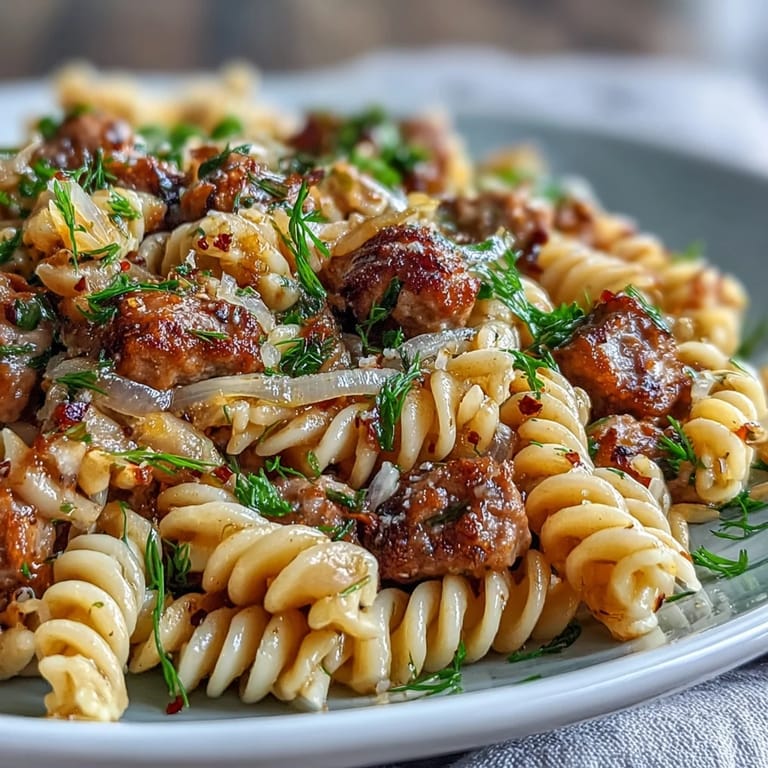
Save My sister called during dinner one night while I was eating this, and before I could even say hello, she asked what smelled so good through the phone. It was just fennel and sausage, but somehow that ordinary combination had turned into something worth mentioning across a distance.
The Magic of Fennel
Fennel has a reputation for being difficult or heavily anise-flavored, but when you cook it slowly with a little salt and patience, something shifts. The sweetness softens and deepens, the texture becomes almost creamy, and any assertiveness melts away. I used to avoid it until I realized I was cooking it too fast and too hot. Now it's one of my favorite secret weapons for turning a simple dinner into something that tastes like you put real thought into it.
Making It Your Own
This is a dish that genuinely welcomes changes without falling apart. I've added a handful of baby spinach or kale right at the end, letting it wilt into the warm pasta, and it only made things better. Some nights I add a pinch of fresh thyme from a jar in my pantry, or finish with a squeeze of lemon juice if the pasta feels like it needs brightness. The foundation is strong enough to support whatever you're inspired to add.
Timing and Pairing
The whole meal comes together in about 20 minutes, which makes it perfect for nights when you're hungry but exhausted. I always pour a glass of crisp white wine—Pinot Grigio or Sauvignon Blanc—while I'm cooking, and it tastes even better with the finished dish. The fennel's sweetness and the wine's minerality are old friends, and having them both on the table feels like the meal is complete from the first sip and bite.
- Start your pasta water boiling before you do anything else so nothing waits around.
- Don't be shy with the Parmesan at the end; the cheese melting into the warm pasta is half the reward.
- If you're cooking for someone who's never had fennel before, don't announce it loudly—just serve it and let them taste what happens.
 Save
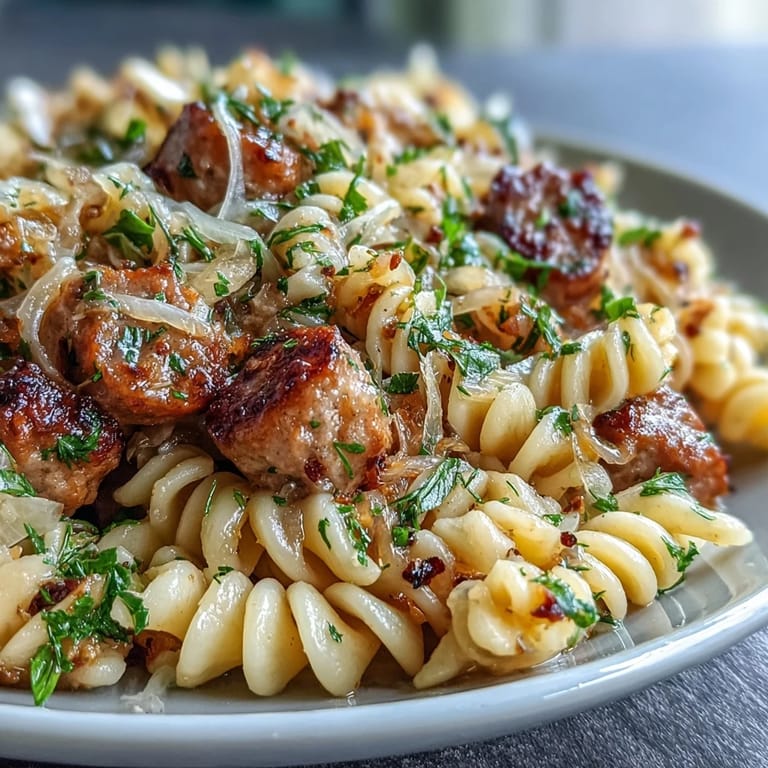
Save This pasta became a favorite not because it's fancy or complicated, but because it proves that good food doesn't need to be either. Some of the best meals are the ones that ask for almost nothing but reward you completely.
Recipe Questions & Answers
- → Can I make this vegetarian?
Yes, simply omit the sausage entirely or use a plant-based sausage alternative. The fennel and aromatic base provide plenty of flavor on their own, and you can add extra vegetables like spinach or kale for more substance.
- → What type of pasta works best?
Short pasta shapes like penne, rigatoni, or fusilli are ideal because their nooks and crannies hold the sauce well. The ridges and tubes capture the flavorful cooking liquid and Parmesan coating.
- → Is the white wine necessary?
The white wine is optional but recommended—it helps deglaze the pan and adds subtle acidity that balances the richness. You can substitute with extra pasta water or a splash of broth if preferred.
- → How do I cut fennel properly?
Trim the fronds and stalks, cut the bulb in half lengthwise, and remove the tough core. Then thinly slice the bulb crosswise for even cooking. Save the frilly fronds for garnish.
- → Can I make this gluten-free?
Absolutely. Use your favorite gluten-free pasta and ensure your sausage is certified gluten-free. The rest of the ingredients are naturally gluten-free.
- → How spicy is this dish?
The red pepper flakes are optional, so you control the heat. Even with them, the dish remains mildly spicy with just a gentle warmth that complements the fennel's sweetness.